A Simple Step-by-Step Guide to Fixing Wall Cracks the Right Way
To repair cracks in your walls the right way, you need to clean the damaged area, apply joint compound, embed tape properly, and sand it smooth before painting. Using proper drywall taping methods helps stop cracks from coming back. If you rush or skip steps, the crack will likely show again within months.
What You Need Before Starting
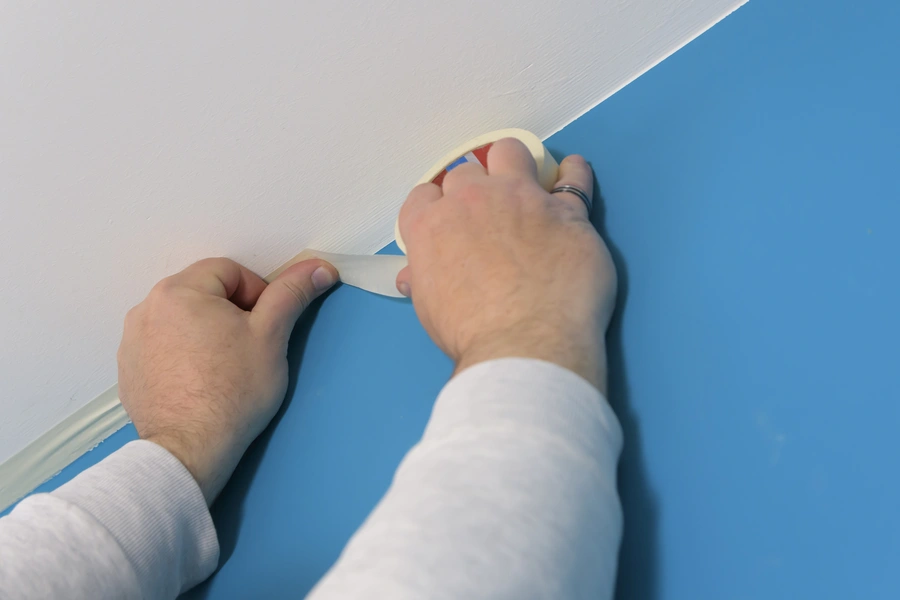
Before you begin, gather all your tools. Having everything ready makes the job easier and cleaner.
- Utility knife
- Joint compound
- Drywall tape (paper or mesh)
- 6-inch and 10-inch taping knives
- Sanding sponge or fine sandpaper
- Damp cloth
- Primer and paint
If the crack is caused by damage to the wall surface, you may also need light drywall repair supplies like a setting-type compound.
Step-by-Step Process for Fixing Wall Cracks
Follow these steps carefully for long-lasting results.
- Open the crack slightly. Use a utility knife to widen the crack just a bit. This removes loose edges and helps the compound stick better.
- Clean the area. Wipe away dust with a damp cloth. Let it dry.
- Apply the first layer of compound. Spread a thin layer directly over the crack.
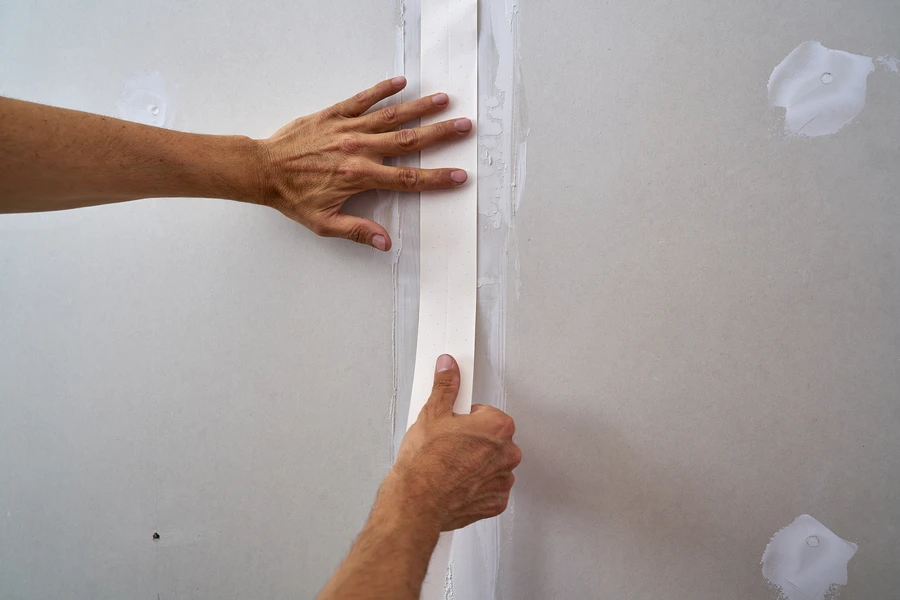
- Place the tape. Press drywall tape into the wet compound. Paper tape works well for most wall cracks.
- Smooth it out. Use your taping knife to remove extra compound and air bubbles.
- Let it dry completely. Drying time depends on humidity and product type.
- Add a second coat. Apply a wider layer that blends into the wall.
- Sand lightly. Smooth the surface once dry. Do not sand too hard.
- Prime and paint. Primer helps the paint match the rest of the wall.
Taking your time during drywall taping makes a big difference in how the wall looks later.
Common Mistakes to Avoid
Many cracks come back because of simple errors. Watch out for these problems:
- Skipping the cleaning step
- Using too much compound at once
- Not embedding the tape fully
- Sanding before the compound is totally dry
- Painting without primer
Another mistake is using mesh tape on small hairline cracks without proper support. Mesh can work, but paper tape often creates a stronger joint for stress cracks.
Poor drywall taping can also lead to visible seams, bubbles, or peeling paint later on. Slow and steady work usually brings better results than rushing.
When to Call a Professional
Some cracks are more than surface problems. If you notice cracks that keep growing, doors that stick, or wide gaps near ceilings, there may be structural movement. In that case, basic drywall taping may not solve the issue.
Ceiling cracks can also be harder to repair. Working overhead makes it tough to apply smooth, even layers. Large repairs in high spots or stairwells may require special tools and experience.
A professional team can match texture, blend paint, and check for deeper problems before making repairs. That saves time and avoids repeat damage.
Get Lasting Results for Your Walls
If you want smooth walls that stay crack-free, the right process matters. In Mckinney, TX, changing humidity and normal home settling can cause wall cracks over time. At Joseph's Drywall and Painting Services, we handle drywall taping and detailed wall repairs that hold up. Call us at (469) 210-7316 to schedule a visit and let us restore your walls with clean, careful workmanship.